

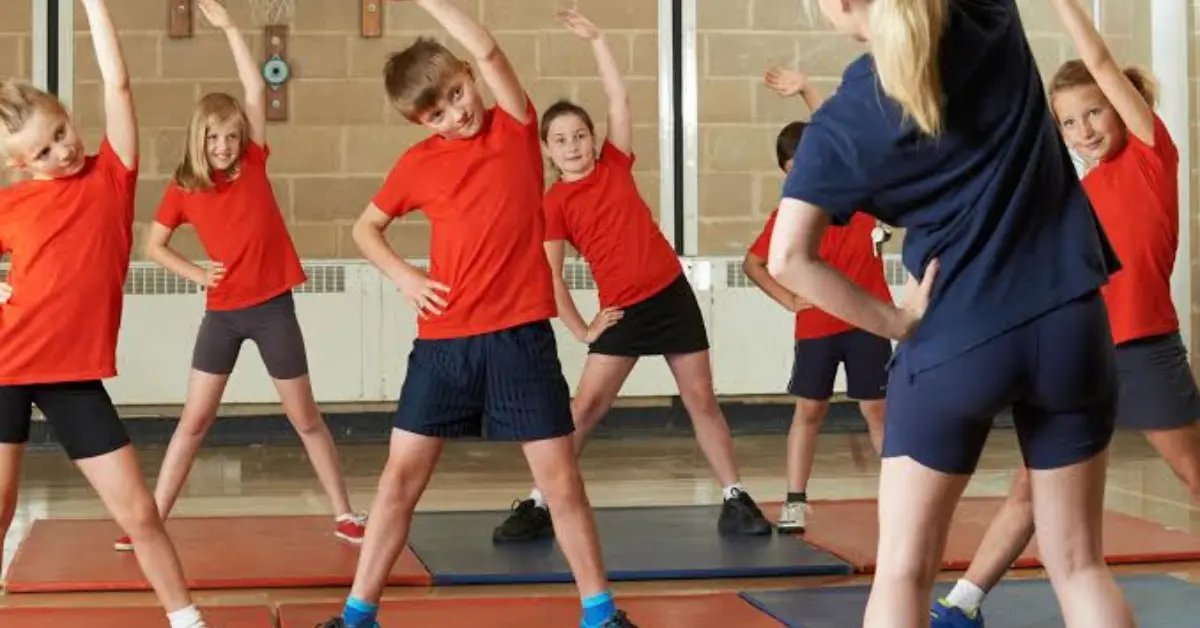
Physical Education Class 12 is an important subject for students who want to understand physical fitness, sports, health, exercise, and the role of physical activity in everyday life. It focuses on developing knowledge about the human body, healthy living, sports activities, and the importance of maintaining an active lifestyle.
At the intermediate level, students learn about different aspects of physical education, including sports training, anatomy, physiology, psychology, yoga, nutrition, and physical fitness. The subject combines theoretical knowledge with practical activities to help students understand how exercise and sports contribute to physical and mental development.
Physical Education Class 12 is useful for students interested in sports, fitness, teaching, health sciences, and physical training. It also helps learners develop discipline, teamwork, confidence, and a better understanding of healthy habits.
What Is Physical Education Class 12?
Physical Education Class 12 is an academic subject that teaches students about physical activities, sports, exercise, health, and fitness.
It explains how the human body responds to physical activity and why regular exercise is important for maintaining good health.
Students study the scientific and practical aspects of sports and physical training. They also learn about the importance of nutrition, personal hygiene, mental well-being, and injury prevention.
The subject aims to develop physically active, mentally strong, and socially responsible individuals.
Importance of Physical Education in Class 12
Physical education plays an important role in the overall development of students.
Improves Physical Fitness
Regular physical activities help students develop strength, flexibility, endurance, speed, and coordination.
These fitness components support daily activities and improve physical performance.
Develops Mental Health
Exercise can help reduce stress, improve mood, and support emotional well-being.
Sports activities also teach students how to manage pressure and remain focused.
Builds Discipline
Sports require regular practice, commitment, and time management.
Students learn to follow rules, respect coaches, and work towards specific goals.
Encourages Teamwork
Team sports help students understand cooperation, communication, and shared responsibility.
Activities such as football, basketball, volleyball, and cricket encourage players to work together.
Promotes Healthy Lifestyle Habits
Physical education teaches students about regular exercise, balanced nutrition, adequate sleep, and personal hygiene.
These habits can support long-term health.
You may also like these posts:
Education Portal 3.0: Login, Registration and Features
HCL Tech Share Price: Latest Stock Market Guide
Jio Finance Share Price: Latest Updates and Outlook
Technical Dhiraj: Website, YouTube, and Tech Guide
Physical Education Class 12 Syllabus
The exact Physical Education Class 12 syllabus depends on the educational board and curriculum. However, many intermediate-level physical education programs cover the following major areas.
Management of Sporting Events
Sports event management involves planning and organizing competitions and athletic activities.
Students learn how sporting events are arranged and how different responsibilities are managed.
Important topics may include:
- Planning sports events
- Organizing competitions
- Sports committees
- Tournament schedules
- Knockout tournaments
- League tournaments
- Responsibilities of officials
- Maintaining discipline during events
Understanding sports management helps students learn leadership and organizational skills.
Children and Women in Sports
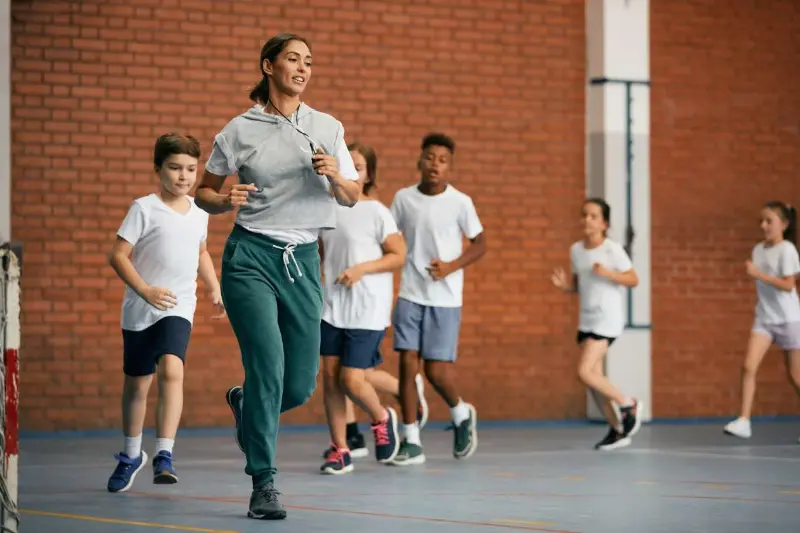
Physical activity is important for children and women at different stages of life.
This topic explains the importance of sports participation, physical development, and health awareness.
Students may study:
- Benefits of physical activity for children
- Women’s participation in sports
- Common barriers to sports participation
- Physical development
- Health and fitness awareness
- Safety during sports activities
The chapter encourages equal opportunities and participation in physical activities.
Yoga and Lifestyle
Yoga is a physical and mental practice that combines body movements, breathing techniques, and relaxation.
It can help improve flexibility, balance, concentration, and body awareness.
Important topics may include:
- Meaning and importance of yoga
- Different types of yoga
- Yoga for physical fitness
- Breathing exercises
- Meditation
- Stress management
- Healthy lifestyle habits
Regular yoga practice can support relaxation and general well-being.
Physical Education and Sports for Children with Special Needs
Physical education should provide opportunities for individuals with different abilities.
This topic focuses on inclusive sports and physical activities.
Students may learn about:
- Inclusive physical education
- Adapted sports activities
- Accessibility in sports facilities
- Participation opportunities
- Support from teachers and coaches
- Benefits of physical activity for individuals with disabilities
Inclusive sports encourage confidence, social interaction, independence, and participation.
Sports and Nutrition
Nutrition is an important part of physical fitness and athletic performance.
Students learn how food provides energy and supports body growth, recovery, and physical activity.
Important topics include:
- Balanced diet
- Carbohydrates
- Proteins
- Fats
- Vitamins
- Minerals
- Water and hydration
- Nutrition before and after exercise
A balanced diet helps the body perform physical activities and recover after exercise.
Test and Measurement in Sports
Fitness testing and measurement help assess an individual’s physical abilities.
Students learn how different tests are used to evaluate fitness and sports performance.
Common areas of measurement include:
- Height and weight
- Body composition
- Flexibility
- Strength
- Endurance
- Speed
- Agility
- Cardiovascular fitness
These assessments can help identify strengths and areas that need improvement.
Physiology and Injuries in Sports
Sports physiology explains how the human body functions during exercise and physical activity.
It helps students understand the effects of training on muscles, bones, the heart, and the respiratory system.
Important topics may include:
- Muscular system
- Skeletal system
- Cardiovascular system
- Respiratory system
- Effects of exercise on the body
- Sports injuries
- Injury prevention
- First aid
Students also learn that proper warm-ups, correct techniques, and suitable equipment can reduce the risk of injuries.
Biomechanics and Sports
Biomechanics is the study of movement and the forces acting on the human body.
It helps athletes understand how to perform movements efficiently and improve sports techniques.
Topics may include:
- Types of movement
- Force and motion
- Balance
- Stability
- Friction
- Levers
- Body posture
- Sports techniques
Understanding biomechanics can help improve athletic performance and movement control.
Psychology and Sports
Sports psychology studies how thoughts, emotions, and behavior influence sports performance.
It explains why mental preparation is important for athletes.
Students may learn about:
- Motivation
- Confidence
- Concentration
- Anxiety
- Stress management
- Goal setting
- Leadership
- Team relationships
Mental strength is an important part of sports because athletes must remain focused during training and competitions.
Training in Sports
Sports training involves planned physical activities designed to improve athletic performance.
It helps athletes develop specific physical abilities and sports skills.
Important training methods include:
- Strength training
- Endurance training
- Speed training
- Flexibility training
- Interval training
- Circuit training
- Continuous training
- Skill-based training
A suitable training program should consider an athlete’s age, fitness level, sport, and individual needs.
Components of Physical Fitness
Physical fitness includes different abilities that help individuals perform daily activities and sports effectively.
Strength
Strength is the ability of muscles to produce force.
It is important for lifting, pushing, pulling, and performing many sports movements.
Endurance
Endurance is the ability to continue physical activity for an extended period without becoming excessively tired.
Walking, running, cycling, and swimming can help develop endurance.
Flexibility
Flexibility refers to the ability of joints and muscles to move through an appropriate range of motion.
Stretching exercises can help improve flexibility.
Speed
Speed is the ability to perform movements or cover a distance quickly.
It is particularly important in sprinting and many competitive sports.
Agility
Agility is the ability to change direction quickly while maintaining control and balance.
It is useful in football, basketball, badminton, and other sports.
Coordination
Coordination is the ability to use different body parts together smoothly and efficiently.
It supports balance, movement accuracy, and sports performance.
Benefits of Physical Education for Class 12 Students
Physical education offers several benefits to students during their academic years.
Better Concentration
Physical activity can support concentration and help students manage their study routines.
Improved Confidence
Learning sports skills and achieving fitness goals can increase self-confidence.
Healthy Body Development
Regular physical activity supports muscle strength, bone health, flexibility, and general physical development.
Social Development
Sports encourage students to communicate, cooperate, respect others, and develop friendships.
Stress Reduction
Physical activities can help students manage academic pressure and improve their overall mood.
Popular Sports Included in Physical Education
Students may learn about different sports, their rules, equipment, and playing techniques.
Football
Football is a team sport in which players try to score goals by moving the ball into the opposing team’s goal.
Cricket
Cricket is played between two teams. Players use batting, bowling, and fielding skills to score runs and restrict the opposition.
Basketball
Basketball involves two teams trying to score points by putting the ball through the opposing team’s basket.
Volleyball
Volleyball is a team sport in which players send the ball over a net and try to make it land in the opposing team’s court.
Badminton
Badminton is played using rackets and a shuttlecock. It can be played in singles or doubles formats.
Practical Activities in Physical Education Class 12
Physical education is not limited to classroom learning. Practical activities help students understand how physical fitness and sports techniques work.
Common activities may include:
- Warm-up exercises
- Stretching
- Running
- Fitness assessments
- Yoga practice
- Team sports
- Individual sports
- Skill development
- Sports officiating
- Physical fitness demonstrations
The practical component depends on the educational board and institution.
How to Prepare for Physical Education Class 12 Exams
Students can prepare effectively by following a structured study routine.
Understand the Syllabus
Start by reviewing the official syllabus for your educational board.
Identify all chapters and important topics before beginning exam preparation.
Prepare Short Notes
Write simple notes for definitions, important terms, sports rules, fitness components, and training methods.
Short notes make revision easier.
Learn Important Definitions
Many theoretical questions require clear definitions.
Prepare topics such as physical fitness, endurance, flexibility, biomechanics, sports psychology, and nutrition.
Practice Long Questions
Understand the main concepts instead of memorizing every answer word for word.
Use headings and examples to organize long answers.
Revise Diagrams and Tables
Some topics become easier to understand through diagrams, charts, and comparison tables.
Pay attention to the diagrams included in your prescribed textbook.
Practice Previous Papers
Previous examination papers can help students understand question patterns and identify frequently tested topics.
Prepare for Practical Assessments
Practice the activities and fitness tests included in your course.
Follow your teacher’s instructions regarding practical examinations.
Career Opportunities After Studying Physical Education
Students interested in physical education can explore different career paths after completing their education and obtaining the required qualifications.
Physical Education Teacher
Physical education teachers help students learn sports, fitness activities, and healthy lifestyle habits.
Sports Coach
Sports coaches train athletes and teams in specific sports.
Fitness Trainer
Fitness trainers guide individuals through exercise programs and help them work towards fitness goals.
Sports Management Professional
Sports management professionals work in the planning and organization of sporting events, clubs, and sports organizations.
Sports Development Professional
This career area focuses on promoting sports participation and developing opportunities for athletes and communities.
Higher Education in Sports Sciences
Students can pursue further education in physical education, sports sciences, exercise science, and related fields, depending on admission requirements.
Frequently Asked Questions
What is Physical Education Class 12?
Physical Education Class 12 is a subject that teaches students about sports, physical fitness, exercise, health, nutrition, sports psychology, and training methods.
Which topics are included in Physical Education Class 12?
Common topics include sports event management, yoga, nutrition, fitness testing, physiology, sports injuries, biomechanics, psychology, and sports training. The exact syllabus depends on the educational board.
Is Physical Education Class 12 a theoretical or practical subject?
It can include both theoretical and practical components. Students study sports and fitness concepts and may also participate in physical activities and fitness assessments.
What are the main components of physical fitness?
The main components include strength, endurance, flexibility, speed, agility, and coordination.
Is Physical Education useful for future careers?
Yes. It can provide a foundation for careers in sports teaching, coaching, fitness training, sports management, and sports sciences.
Conclusion
Physical Education Class 12 is an important subject that develops students’ understanding of sports, exercise, physical fitness, nutrition, and healthy living. It combines theoretical knowledge with practical activities to support physical, mental, and social development.
Topics such as sports management, yoga, nutrition, biomechanics, physiology, psychology, and sports training help students understand the scientific and practical aspects of physical activity.
By studying regularly, preparing short notes, practicing previous examination papers, and participating in sports activities, students can improve their subject knowledge and examination performance. Physical education also provides a foundation for further studies and careers in sports, fitness, coaching, and teaching.
