

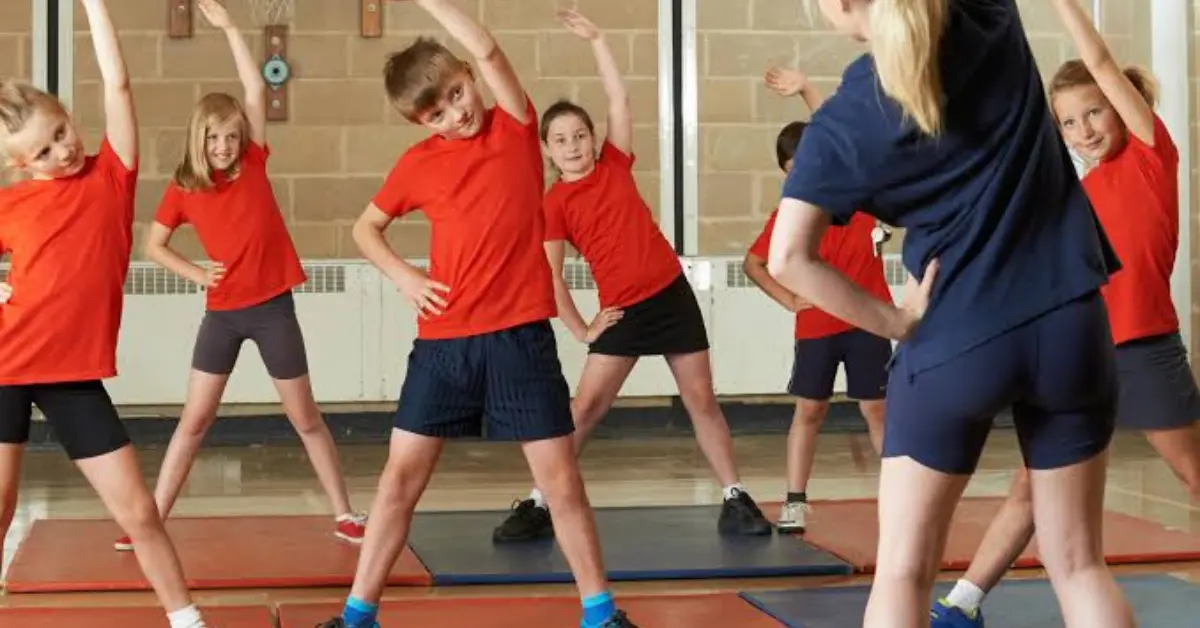
Physical Education Class 11 is an important subject for students who want to understand health, fitness, sports, exercise, and the human body. It provides basic knowledge about physical activities and explains how regular exercise can improve physical and mental well-being.
The subject is not limited to playing games or participating in sports. It also covers health education, body movement, first aid, physical fitness, posture, and the importance of maintaining a healthy lifestyle.
Students studying Physical Education Class 11 learn how physical activities contribute to personal development, teamwork, discipline, and overall health. The subject also introduces students to different sports and their rules.
What Is Physical Education?
Physical Education is an educational subject that focuses on developing physical fitness, mental strength, social skills, and healthy habits through physical activities.
It includes exercise, sports, games, yoga, fitness training, and other activities that help individuals maintain an active lifestyle.
Physical Education teaches students how to take care of their bodies, improve their physical abilities, and understand the importance of regular exercise.
Physical Education Class 11 Syllabus
The syllabus of Physical Education Class 11 depends on the educational board and textbook. Students studying under the Punjab Board in Pakistan may find topics such as the following in their textbook.
Definitions and Importance of Physical Education
This topic introduces students to the meaning and basic concepts of Physical Education.
Students learn about its importance in daily life and how physical activities help improve health, fitness, and personal development.
Aims and Objectives of Physical Education
This chapter explains the main aims and objectives of Physical Education.
Important objectives include:
- Improving physical fitness.
- Developing mental strength.
- Building discipline and confidence.
- Promoting teamwork and cooperation.
- Encouraging healthy habits.
- Developing sports skills.
- Improving social behaviour.
Scope of Physical Activities
Physical activities include different exercises, games, sports, and recreational activities.
Students learn about the types of physical activities and their importance in maintaining an active lifestyle.
Examples include walking, running, swimming, cycling, yoga, football, cricket, and badminton.
The Organized Games
Organized games are sports activities performed according to established rules and regulations.
Students learn about different games, their basic requirements, and the importance of discipline and teamwork.
Some common organized games include:
- Cricket
- Football
- Hockey
- Basketball
- Volleyball
- Badminton
- Tennis
Competition Rules
This topic explains the importance of rules and regulations in sports competitions.
Students learn that every organized game has specific rules that players and officials must follow. These rules help maintain fairness, discipline, and proper sportsmanship.
Health Education
Health education teaches students how to maintain good physical and mental health.
Important topics include personal hygiene, balanced nutrition, exercise, cleanliness, disease prevention, and healthy daily habits.
Students also learn why proper sleep, nutritious food, and regular physical activity are important.
Human Body and Its Efficiency
This topic introduces students to the human body and its ability to perform physical activities.
Students learn about body systems, muscles, bones, and the role of different organs during exercise.
Understanding the human body helps students recognize how physical activities improve strength, endurance, and overall performance.
Posture and Postural Defects
Posture refers to the position in which a person holds their body while standing, sitting, walking, or performing activities.
Good posture helps maintain body balance and reduces unnecessary pressure on muscles and joints.
Common postural problems include:
- Kyphosis
- Lordosis
- Scoliosis
- Flat feet
- Bow legs
- Knock knees
Students learn about these conditions and the importance of maintaining correct posture.
First Aid
First aid refers to the immediate assistance given to an injured or sick person before professional medical treatment is available.
It is important in sports because players may experience injuries during training or competitions.
Common sports injuries include sprains, strains, cuts, bruises, and fractures.
Students learn basic first-aid principles and the importance of seeking medical assistance when necessary.
Infectious Diseases
Infectious diseases are illnesses caused by harmful microorganisms such as bacteria, viruses, fungi, and parasites.
Students learn about how these diseases spread and how they can be prevented.
Common prevention methods include maintaining personal hygiene, washing hands, drinking clean water, receiving recommended vaccinations, and keeping the environment clean.
You may also like these posts:
Jio Finance Share Price: Latest Updates and Outlook
Technical Dhiraj: Website, YouTube, and Tech Guide
Apple Education Store: Student Discounts and Eligibility
Physical Education Class 12: Complete Study Guide and Syllabus
Importance of Physical Education Class 11
Physical Education plays an important role in the overall development of students.
Improves Physical Fitness
Regular exercise helps improve strength, flexibility, stamina, and endurance. Students who participate in physical activities can develop better physical fitness.
Supports Mental Health
Physical activities can help reduce stress and improve mood. Exercise also supports concentration and emotional well-being.
Develops Discipline
Sports and physical activities teach students the importance of discipline, regular practice, punctuality, and responsibility.
Builds Teamwork
Team sports encourage students to cooperate with others, communicate effectively, and work toward common goals.
Improves Confidence
Learning new sports skills and participating in competitions can help students develop self-confidence.
Encourages a Healthy Lifestyle
Physical Education teaches students the importance of exercise, balanced nutrition, proper sleep, and personal hygiene.
Practical Activities in Physical Education Class 11
Practical activities are an important part of Physical Education. They help students apply theoretical knowledge and develop sports skills.
Common practical activities may include:
- Running and jogging.
- Stretching exercises.
- Warm-up and cool-down activities.
- Basic yoga exercises.
- Fitness tests.
- Team games.
- Sports skill practice.
- First-aid demonstrations.
The exact practical requirements depend on the student’s educational board and school.
Career Opportunities After Studying Physical Education
Physical Education can introduce students to different career opportunities in sports, fitness, health, and education.
Some possible career options include:
Physical Education Teacher: Teaches students about exercise, sports, fitness, and healthy living.
Sports Coach: Trains individuals or teams to improve their performance in particular sports.
Fitness Trainer: Helps people develop exercise routines and improve their fitness.
Sports Manager: Works in the management and organisation of sports activities and events.
Sports Official: Performs responsibilities such as refereeing or judging competitions after obtaining the required training.
Sports Journalist: Reports on sporting events, competitions, players, and sports-related developments.
Further education and professional qualifications may be required for these careers.
How to Prepare for Physical Education Class 11 Exams
Students can prepare effectively by following a simple study routine.
Understand Basic Definitions
Learn the important definitions from every chapter. Pay attention to concepts such as Physical Education, health, fitness, first aid, and posture.
Prepare Short and Long Questions
Practise both short-answer and detailed questions. Understand the main concepts instead of memorising every sentence.
Learn Important Sports Rules
Study the basic rules and regulations of common games. Remember important terms and the responsibilities of players and officials.
Revise Important Topics
Give additional attention to health education, physical fitness, human body systems, postural defects, and first aid.
Practise Regularly
Physical Education includes practical knowledge. Participate in school activities and practise exercises under proper guidance.
Frequently Asked Questions
What is Physical Education Class 11?
Physical Education Class 11 is a school subject that teaches students about physical fitness, sports, exercise, health education, and the importance of maintaining a healthy lifestyle.
How many chapters are included in Physical Education Class 11?
The number of chapters depends on the educational board and textbook. The Punjab Board textbook commonly covers topics such as physical education, health education, organized games, first aid, and infectious diseases.
Is Physical Education Class 11 an easy subject?
Many students find Physical Education easy to understand because it covers practical topics related to everyday life, exercise, sports, and health.
What are the important topics in Physical Education Class 11?
Important topics include the aims of Physical Education, physical activities, organized games, health education, human body efficiency, postural defects, first aid, and infectious diseases.
What is the importance of Physical Education for students?
Physical Education helps students improve fitness, develop discipline, build confidence, learn teamwork, and understand healthy lifestyle habits.
Conclusion
Physical Education Class 11 helps students understand the importance of exercise, sports, health, and physical fitness. It introduces important topics such as physical activities, organized games, health education, the human body, posture, first aid, and infectious diseases.
The subject also develops useful life skills, including discipline, confidence, teamwork, and responsibility. By studying Physical Education Class 11 and participating in regular physical activities, students can build a better understanding of healthy living and personal development.
