

Education is changing rapidly because of technology, digital platforms, and new learning methods. Traditional classrooms are no longer the only places where students can gain knowledge. Today, learners can study through online courses, educational applications, digital libraries, videos, and interactive learning platforms.
Education 3.0 represents a modern approach to learning that focuses on students, technology, collaboration, and practical skills. Instead of depending completely on teachers and textbooks, students take a more active role in their educational journey.
The main purpose of Education 3.0 is to make learning more flexible, personalized, interactive, and connected with real-world needs. It encourages students to develop knowledge, creativity, communication skills, and independent thinking.
What Is Education 3.0?
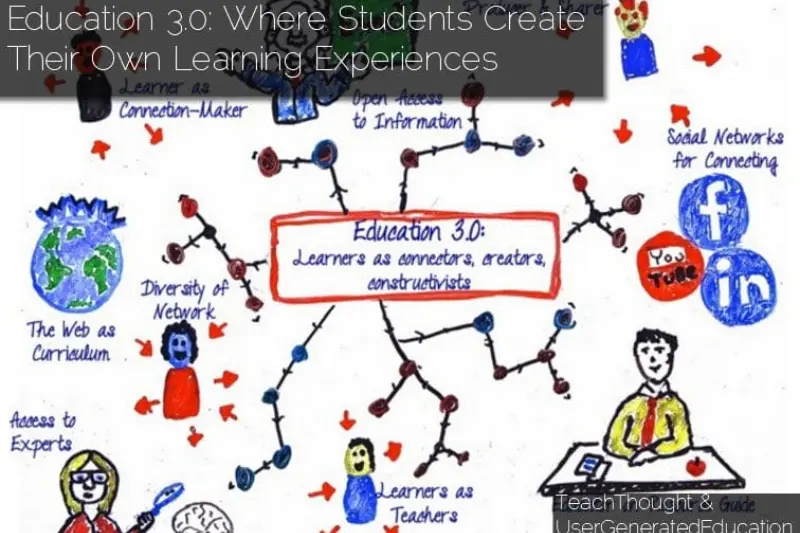
Education 3.0 is a learner-centered educational approach that combines digital technology, collaboration, personalized learning, and lifelong education. It gives students more responsibility for their learning while teachers act as guides, mentors, and learning facilitators.
In traditional education, teachers generally provide information, and students are expected to remember it. In Education 3.0, students are encouraged to explore information, ask questions, solve problems, participate in discussions, and create their own learning materials.
This approach also recognizes that education does not end after completing school, college, or university. People can continue learning throughout their lives to improve their knowledge and professional skills.
You may also like these posts:
Jio Finance Share Price: Latest Updates and Outlook
Technical Dhiraj: Website, YouTube, and Tech Guide
Apple Education Store: Student Discounts and Eligibility
Physical Education Class 12: Complete Study Guide and Syllabus
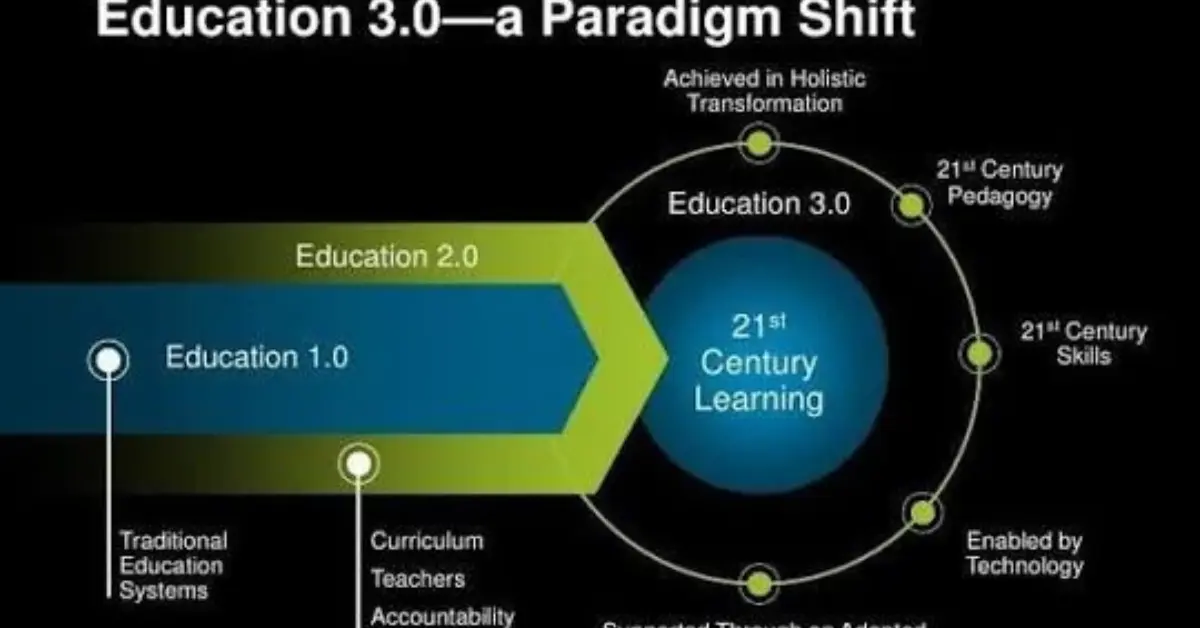
Evolution of Education 1.0, 2.0, and 3.0
To understand Education 3.0, it is helpful to understand how educational methods have developed.
Education 1.0
Education 1.0 represents the traditional teacher-centered learning system. Teachers are the primary source of information, and students mainly listen to lectures, read textbooks, and complete written assignments.
Its common characteristics include:
- Traditional classroom teaching
- Teacher-centered lessons
- Printed textbooks and notebooks
- Limited student participation
- Memorization-based learning
- Fixed classroom schedules
This approach provides structured education but may not always support the individual learning needs of every student.
Education 2.0
Education 2.0 introduced greater communication and collaboration through digital technology. Students and teachers started using online platforms, educational websites, discussion forums, and digital learning materials.
Its main features include:
- Online educational resources
- Interactive classroom activities
- Digital communication
- Group projects and discussions
- Online assignments
- Student collaboration
Education 2.0 made learning more interactive and helped students access information beyond traditional textbooks.
Education 3.0
Education 3.0 takes digital and collaborative learning further. It focuses on personalized education, independent learning, practical skills, and knowledge sharing.
Students can use different learning resources according to their interests and educational goals. They can also work with classmates, teachers, professionals, and learners from different locations.
Its main characteristics include:
- Student-centered education
- Personalized learning experiences
- Digital learning environments
- Practical and skill-based education
- Independent research
- Global collaboration
- Lifelong learning opportunities
Key Features of Education 3.0
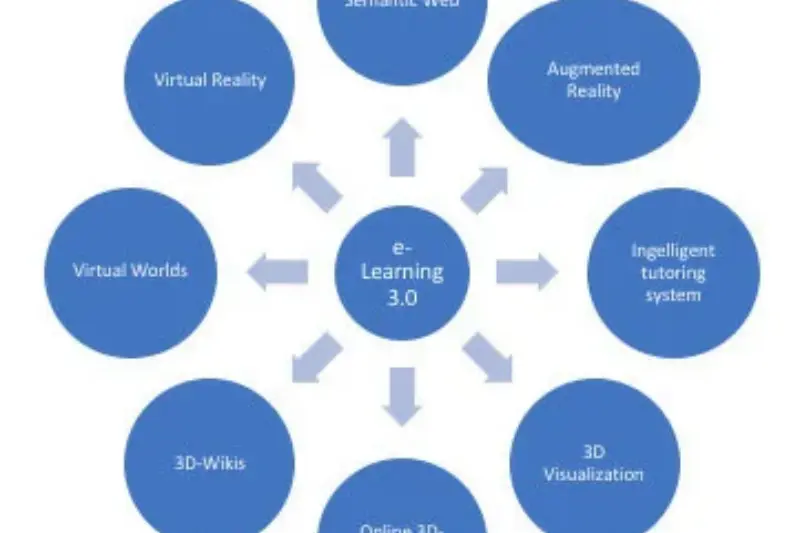
Education 3.0 includes several important features that make modern learning more flexible and effective.
Student-Centered Learning
Student-centered learning is one of the most important features of Education 3.0. Students are encouraged to take responsibility for their educational progress.
Instead of following the same learning method, students can explore different subjects, use suitable resources, and learn according to their abilities.
Teachers support students by providing guidance, feedback, and learning opportunities.
Personalized Education
Every student has different interests, abilities, and learning speeds. Education 3.0 recognizes these differences and encourages personalized learning.
For example, a student who finds mathematics difficult can spend more time practicing mathematical problems. Another student who learns quickly can explore advanced topics.
This approach helps students understand subjects more effectively.
Use of Digital Technology
Technology plays an important role in Education 3.0. Students can use computers, smartphones, tablets, educational applications, and online platforms to access learning materials.
Digital technology makes it possible to study from different locations and access educational resources at convenient times.
Collaborative Learning
Education 3.0 encourages students to learn together. Group discussions, online projects, research activities, and knowledge-sharing sessions help students understand different perspectives.
Collaboration also develops communication, teamwork, and problem-solving skills.
Practical and Skill-Based Learning
Modern workplaces require more than theoretical knowledge. Students need practical abilities that can help them perform professional tasks.
Education 3.0 supports project-based learning, practical assignments, research, and real-world problem-solving.
Lifelong Learning
Learning is a continuous process. People may need new skills when they change careers, enter different industries, or face new professional challenges.
Education 3.0 encourages individuals to continue learning through short courses, professional training, online programs, and independent study.
Role of Technology in Education 3.0
Technology makes Education 3.0 possible by connecting students with information, teachers, and educational opportunities.
Some important technologies include:
Learning Management Systems: These platforms help teachers share lessons, organize assignments, monitor student progress, and manage educational activities.
Online Learning Platforms: Students can access courses, lectures, tutorials, and educational materials through the internet.
Video Conferencing: Online meetings allow teachers and students to communicate even when they are in different locations.
Artificial Intelligence: AI-based educational tools can support personalized learning, provide explanations, and help students practice different subjects.
Digital Libraries: Students can access electronic books, research papers, educational articles, and other learning resources.
Interactive Applications: Educational applications provide quizzes, exercises, simulations, and activities that make learning more engaging.
Benefits of Education 3.0
Education 3.0 offers several benefits for students, teachers, educational institutions, and society.
Flexible Learning
Students can access educational resources from different locations. This is particularly helpful for people who cannot attend traditional classes because of work, distance, or personal responsibilities.
Better Student Engagement
Interactive lessons, digital activities, and group projects encourage students to participate actively in the learning process.
Improved Digital Skills
Students become familiar with digital tools and online communication. These abilities are useful in modern workplaces.
Independent Thinking
Education 3.0 encourages students to research topics, evaluate information, and develop their own opinions.
Access to Global Knowledge
Students can explore educational materials from different countries and learn about international ideas, cultures, and professional practices.
Career Development
Skill-based learning helps students prepare for employment and professional development. They can improve their abilities through short courses and specialized training.
Continuous Education
People can continue learning after completing formal education. This supports career growth and personal development.
Challenges of Education 3.0
Although Education 3.0 offers many opportunities, its implementation also creates challenges.
Limited Internet Access
Some students do not have reliable internet connections. This can make online learning difficult, particularly in rural and underserved areas.
Lack of Digital Devices
Computers, tablets, and smartphones may be expensive for some families. Without suitable devices, students may struggle to participate in digital education.
Digital Skills Gap
Not every student or teacher has the same level of technological knowledge. Training is necessary to use digital learning tools effectively.
Distractions During Online Learning
Social media, games, and entertainment applications can distract students. They need good time management and self-discipline.
Data Privacy and Security
Educational platforms may collect personal information and learning records. Schools and institutions must protect student data and use secure systems.
Teacher Training
Teachers need appropriate training to manage digital classrooms, support independent learning, and use technology effectively.
Education 3.0 in Schools and Universities
Education 3.0 can improve teaching and learning at different educational levels.
In schools, teachers can use interactive lessons, educational videos, digital assignments, and group activities to help students understand difficult concepts.
At the college level, students can participate in online discussions, research projects, practical assignments, and professional skill-development programs.
Universities can introduce flexible learning opportunities, digital resources, collaborative research, and competency-based education.
However, technology should support good teaching rather than completely replace teachers. Human guidance, classroom interaction, and educational support remain important.
Education 3.0 and Online Learning
Online learning is an important part of Education 3.0. It allows students to study through digital platforms without always attending physical classrooms.
Students can watch recorded lectures, complete assignments, participate in discussions, and take online assessments.
Online learning is especially useful for working professionals, distance learners, and people who want to develop additional skills.
However, successful online learning requires discipline, reliable learning materials, proper guidance, and regular practice.
Difference Between Traditional Education and Education 3.0
| Traditional Education | Education 3.0 |
|---|---|
| Mainly teacher-centered | Mainly learner-centered |
| Focuses heavily on textbooks | Uses multiple learning resources |
| Mostly classroom-based | Supports classroom and online learning |
| Limited digital interaction | Greater use of digital technology |
| Often emphasizes memorization | Encourages practical understanding |
| Fixed learning methods | Flexible learning approaches |
| Limited collaboration outside class | Encourages wider collaboration |
| Mainly focused on formal education | Supports lifelong learning |
How Students Can Prepare for Education 3.0
Students can prepare for this modern learning approach by developing useful academic, digital, and personal skills.
- Improve basic computer knowledge.
- Learn how to use educational applications.
- Develop English communication skills.
- Practice independent research.
- Participate in group projects.
- Improve problem-solving abilities.
- Learn time management.
- Explore online courses.
- Develop creativity and critical thinking.
- Build practical skills related to future careers.
These abilities can help students become more confident and independent learners.
Future of Education 3.0
The future of education is likely to become more flexible, connected, and personalized. Digital learning platforms, artificial intelligence, online collaboration, and competency-based learning may play increasingly important roles.
Educational institutions may place greater emphasis on practical knowledge, professional skills, and continuous development.
Students will have more opportunities to learn from different sources and create learning paths according to their interests and career goals.
However, successful education will still require qualified teachers, reliable educational institutions, good learning materials, and equal access to technology.
Education 3.0 should therefore be viewed as an approach that improves education through innovation while maintaining the importance of human guidance and meaningful learning.
Frequently Asked Questions
What is Education 3.0?
Education 3.0 is a modern learning approach that combines technology, personalized education, collaboration, and student participation. It encourages students to take an active role in their learning.
What are the main features of Education 3.0?
Its main features include student-centered learning, digital technology, personalized education, collaboration, practical learning, and lifelong education.
What is the difference between Education 2.0 and Education 3.0?
Education 2.0 focuses on interactive learning and digital communication. Education 3.0 goes further by encouraging personalized learning, independent knowledge creation, and wider collaboration.
How does technology support Education 3.0?
Technology provides access to online courses, digital libraries, educational applications, video lessons, and collaborative learning platforms.
What are the benefits of Education 3.0?
Education 3.0 offers flexible learning, improved digital skills, independent thinking, better collaboration, practical knowledge, and opportunities for continuous education.
Conclusion
Education 3.0 represents an important development in modern education. It focuses on student-centered learning, digital technology, collaboration, practical skills, and lifelong education.
Unlike traditional teaching methods, it gives students greater responsibility for their learning and encourages them to explore knowledge through different resources.
Although challenges such as internet access, digital inequality, and teacher training remain important, Education 3.0 provides opportunities to make learning more flexible and relevant to modern needs.
By combining technology with effective teaching methods, educational institutions can prepare students for future careers and continuous personal development.
