

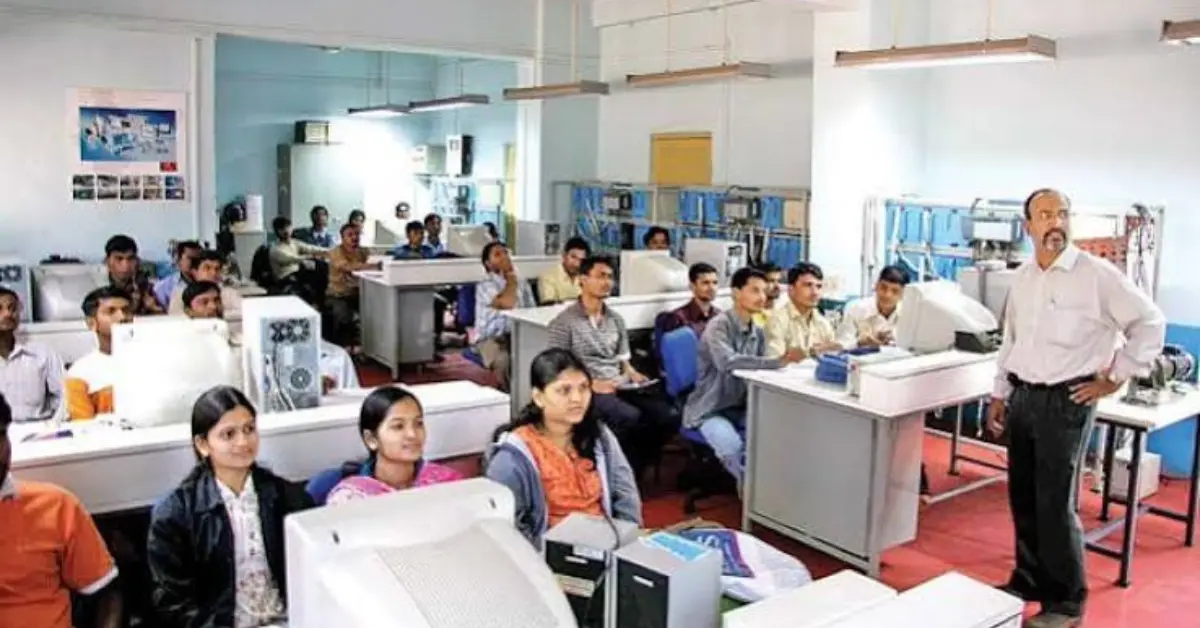
ITI education is a popular vocational education option for students who want to develop practical skills and prepare for employment. Instead of focusing mainly on academic subjects, ITI courses provide hands-on training in technical and non-technical trades.
Students interested in electricity, mechanical work, computer operations, plumbing, welding, and other skilled professions may consider ITI education. These programmes are generally offered through government and private Industrial Training Institutes.
ITI courses can be useful for students who want to enter the workforce relatively quickly, gain technical experience, or start their own small businesses. The available courses, admission requirements, and career opportunities depend on the institute and the chosen trade.
What Is ITI Education?
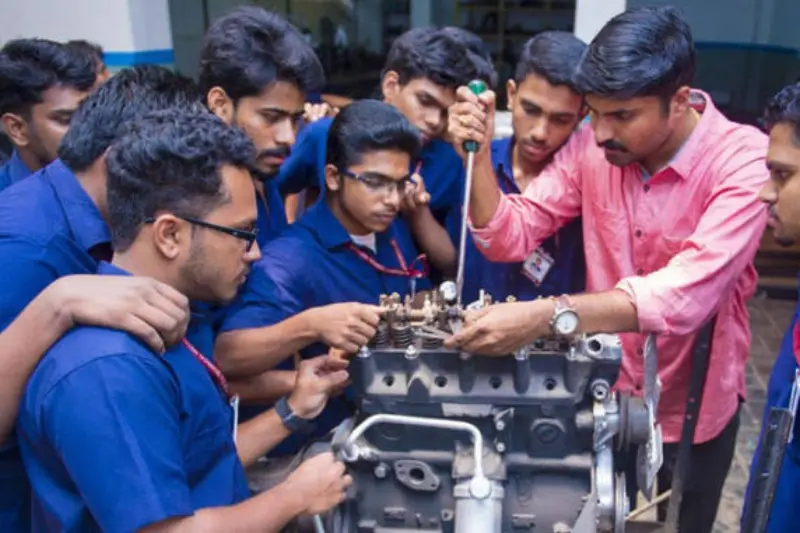
ITI stands for Industrial Training Institute. ITI education refers to vocational training designed to develop practical knowledge and job-related skills.
These institutes prepare students for skilled work in industries, workshops, manufacturing facilities, service businesses, and other employment sectors.
The main objectives of ITI education include:
- Developing practical and technical skills.
- Preparing students for employment.
- Supporting industrial and vocational development.
- Providing training for self-employment.
- Helping students gain experience in a particular trade.
ITI programmes are especially common in India, where they form part of the vocational training system.
Popular ITI Courses
ITI institutes offer a variety of courses, and availability differs between institutions.
Electrician
The Electrician course teaches students about electrical wiring, electrical equipment, safety procedures, circuit systems, and basic maintenance.
Graduates may pursue work as electricians, maintenance technicians, or electrical assistants, subject to their qualifications and local licensing requirements.
Computer Operator and Programming Assistant
The Computer Operator and Programming Assistant course, commonly known as COPA, focuses on basic computer operations, office applications, data entry, internet use, and introductory programming concepts.
It may be suitable for students interested in computer-related office jobs.
Fitter
The Fitter course provides training in assembling, installing, maintaining, and repairing mechanical components.
Possible career areas include manufacturing, workshops, production facilities, and industrial maintenance.
Welder
The Welder course teaches different welding techniques, equipment handling, workplace safety, and metal joining.
Trained welders may work in manufacturing, fabrication, construction, and repair businesses.
Mechanic Courses
Mechanic-related trades provide training in inspecting, servicing, and repairing vehicles or machinery. The specific skills depend on the selected course.
Plumber
Plumbing courses cover pipe installation, water supply systems, drainage, maintenance, and repair work.
Students may use these skills to seek employment or establish a plumbing service business.
Other Vocational Courses
Depending on the institute, other options may include refrigeration and air conditioning, electronics, dressmaking, fashion technology, carpentry, and food-related trades.
ITI Education Eligibility Criteria
Eligibility depends on the trade, training scheme, and institute.
In India’s ITI system, some courses accept students who have completed Class 8, while many technical trades require Class 10 or another specified qualification.
| Requirement | General information |
|---|---|
| Educational qualification | Class 8, 10, or another specified qualification, depending on the trade |
| Minimum age | Commonly 14 years, subject to applicable rules |
| Upper age limit | Varies by institute and admission scheme |
| Admission method | Merit, counselling, or another prescribed process |
| Documents | Educational certificates, identity documents, photographs, and other requested records |
Applicants should check the official admission requirements for their chosen course before applying.
You may also like these posts:
Anytime Fitness: A Complete Guide to Membership and Benefits
Bajaj Housing Finance Share Price and Stock Analysis
Tech Mahindra Share Price and Stock Analysis Guide
Education Portal 3.0: Login, Registration and Features
ITI Course Duration
ITI course duration depends on the trade and training programme.
- Six-month courses: Available for certain specialised training programmes.
- One-year courses: Provide practical training in selected trades.
- Two-year courses: Common for several technical and industrial trades.
Some programmes may include additional practical training or apprenticeships after the course. Students should confirm the complete training duration before admission.
ITI Education Fees

The cost of ITI education varies according to the institute, course, facilities, and training scheme.
Government institutes may offer lower fees than private institutes. Additional expenses may include admission charges, examination fees, uniforms, tools, books, and transportation.
Before enrolling, students should request a complete fee breakdown and confirm whether the course is recognised by the relevant authority.
ITI Admission Process
Choose a Course
Select a trade according to your interests, educational background, and career goals.
Find a Suitable Institute
Compare government and private institutes. Consider course availability, practical facilities, recognition, location, and employment support.
Check Eligibility
Read the admission notice to confirm the minimum qualification, age requirements, and other conditions.
Submit the Application
Complete the prescribed application process and provide the required documents.
Complete Admission Formalities
Depending on the admission system, selection may involve merit-based allocation, counselling, or another approved procedure. Selected candidates must complete the required formalities and fee payment.
Career Opportunities After ITI
ITI graduates can pursue different types of employment depending on their trade, experience, and additional qualifications.
Private-Sector Jobs
Potential roles include electrician, fitter, welder, computer operator, machine operator, mechanic, and maintenance assistant.
Government Jobs
Certain government departments and public-sector organisations recruit candidates with relevant technical qualifications for specific posts. Eligibility depends on the official recruitment advertisement.
Apprenticeships
Apprenticeships provide practical workplace experience and may help graduates develop professional skills before applying for permanent employment.
Self-Employment
Some trades allow graduates to start small businesses, such as electrical repair services, plumbing services, welding workshops, or vehicle repair services, subject to applicable requirements.
Benefits of ITI Education
ITI education offers several potential advantages.
Practical learning: Students develop hands-on skills rather than studying only theoretical concepts.
Shorter training period: Many courses can be completed in six months to two years.
Career-focused training: Courses prepare students for specific occupations.
Self-employment opportunities: Graduates may use their skills to provide services independently.
Further training: Students may be able to pursue apprenticeships, advanced vocational training, or additional qualifications where eligible.
However, employment is not guaranteed. Career outcomes depend on skill level, experience, local demand, and the quality and recognition of the training programme.
Difference Between ITI and Diploma Courses
ITI courses generally focus on practical training for a specific trade, while diploma programmes often include broader technical education and may offer a different range of career progression opportunities.
| Feature | ITI course | Diploma course |
|---|---|---|
| Main focus | Trade-specific practical skills | Broader technical or professional education |
| Duration | Often 6 months to 2 years | Commonly 2–3 years, depending on the programme |
| Entry qualification | Depends on the trade | Depends on the diploma |
| Career direction | Skilled trade and technical roles | Technician and other technical roles |
| Further study | Depends on course and applicable rules | May provide additional academic progression options |
Students should compare the actual qualifications rather than assuming that every ITI or diploma course has the same recognition or career value.
Frequently Asked Questions
What is the full form of ITI?
ITI stands for Industrial Training Institute. These institutes provide vocational training in technical and non-technical trades.
Can I join ITI after Class 10?
Yes. Many ITI courses accept students who have completed Class 10, although eligibility depends on the selected trade.
How long does an ITI course take?
Depending on the programme, an ITI course may take six months, one year, or two years to complete.
Which ITI course is best for computer-related jobs?
Computer Operator and Programming Assistant, commonly known as COPA, may be a suitable option for students interested in computer operations and office-related work.
Can I get a government job after ITI?
Yes, some government and public-sector vacancies accept relevant ITI qualifications. Candidates must meet the specific educational, age, and other eligibility requirements stated in each recruitment advertisement.
Conclusion
ITI education offers a practical route for students who want to learn a trade and develop job-related skills. Popular options include Electrician, COPA, Fitter, Welder, Mechanic, and Plumber courses.
Before choosing a programme, students should compare course duration, fees, eligibility requirements, practical facilities, and recognition. Selecting a trade that matches personal interests and employment opportunities can help build a stronger foundation for a future career.
